Temples are built for gods. Knowing this a farmer builds a small temple to see what kind of god turns up.
Arepo built a temple in his field, a humble thing, some stones stacked up to make a cairn, and two days later a god moved in.
“Hope you’re a harvest god,” Arepo said, and set up an altar and burnt two stalks of wheat. “It’d be nice, you know.” He looked down at the ash smeared on the stone, the rocks all laid askew, and coughed and scratched his head. “I know it’s not much,” he said, his straw hat in his hands. “But – I’ll do what I can. It’d be nice to think there’s a god looking after me.”
The next day he left a pair of figs, the day after that he spent ten minutes of his morning seated by the temple in prayer. On the third day, the god spoke up.
“You should go to a temple in the city,” the god said. Its voice was like the rustling of the wheat, like the squeaks of fieldmice running through the grass. “A real temple. A good one. Get some real gods to bless you. I’m no one much myself, but I might be able to put in a good word?” It plucked a leaf from a tree and sighed. “I mean, not to be rude. I like this temple. It’s cozy enough. The worship’s been nice. But you can’t honestly believe that any of this is going to bring you anything.”
“This is more than I was expecting when I built it,” Arepo said, laying down his scythe and lowering himself to the ground. “Tell me, what sort of god are you anyway?”
“I’m of the fallen leaves,” it said. “The worms that churn beneath the earth. The boundary of forest and of field. The first hint of frost before the first snow falls. The skin of an apple as it yields beneath your teeth. I’m a god of a dozen different nothings, scraps that lead to rot, momentary glimpses. A change in the air, and then it’s gone.”
The god heaved another sigh. “There’s no point in worship in that, not like War, or the Harvest, or the Storm. Save your prayers for the things beyond your control, good farmer. You’re so tiny in the world. So vulnerable. Best to pray to a greater thing than me.”
Arepo plucked a stalk of wheat and flattened it between his teeth. “I like this sort of worship fine,” he said. “So if you don’t mind, I think I’ll continue.”
“Do what you will,” said the god, and withdrew deeper into the stones. “But don’t say I never warned you otherwise.”
Arepo would say a prayer before the morning’s work, and he and the god contemplated the trees in silence. Days passed like that, and weeks, and then the Storm rolled in, black and bold and blustering. It flooded Arepo’s fields, shook the tiles from his roof, smote his olive tree and set it to cinder. The next day, Arepo and his sons walked among the wheat, salvaging what they could. The little temple had been strewn across the field, and so when the work was done for the day, Arepo gathered the stones and pieced them back together.
“Useless work,” the god whispered, but came creeping back inside the temple regardless. “There wasn’t a thing I could do to spare you this.”
“We’ll be fine,” Arepo said. “The storm’s blown over. We’ll rebuild. Don’t have much of an offering for today,” he said, and laid down some ruined wheat, “but I think I’ll shore up this thing’s foundations tomorrow, how about that?”
The god rattled around in the temple and sighed.
A year passed, and then another. The temple had layered walls of stones, a roof of woven twigs. Arepo’s neighbors chuckled as they passed it. Some of their children left fruit and flowers. And then the Harvest failed, the gods withdrew their bounty. In Arepo’s field the wheat sprouted thin and brittle. People wailed and tore their robes, slaughtered lambs and spilled their blood, looked upon the ground with haunted eyes and went to bed hungry. Arepo came and sat by the temple, the flowers wilted now, the fruit shriveled nubs, Arepo’s ribs showing through his chest, his hands still shaking, and murmured out a prayer.
“There is nothing here for you,” said the god, hudding in the dark. “There is nothing I can do. There is nothing to be done.” It shivered, and spat out its words. “What is this temple but another burden to you?”
“We -” Arepo said, and his voice wavered. “So it’s a lean year,” he said. “We’ve gone through this before, we’ll get through this again. So we’re hungry,” he said. “We’ve still got each other, don’t we? And a lot of people prayed to other gods, but it didn’t protect them from this. No,” he said, and shook his head, and laid down some shriveled weeds on the altar. “No, I think I like our arrangement fine.”
“There will come worse,” said the god, from the hollows of the stone. “And there will be nothing I can do to save you.”
The years passed. Arepo rested a wrinkled hand upon the temple of stone and some days spent an hour there, lost in contemplation with the god.
And one fateful day, from across the wine-dark seas, came War.
Arepo came stumbling to his temple now, his hand pressed against his gut, anointing the holy site with his blood. Behind him, his wheat fields burned, and the bones burned black in them. He came crawling on his knees to a temple of hewed stone, and the god rushed out to meet him.
“I could not save them,” said the god, its voice a low wail. “I am sorry. I am sorry. I am so so sorry.” The leaves fell burning from the trees, a soft slow rain of ash. “I have done nothing! All these years, and I have done nothing for you!”
“Shush,” Arepo said, tasting his own blood, his vision blurring. He propped himself up against the temple, forehead pressed against the stone in prayer. “Tell me,” he mumbled. “Tell me again. What sort of god are you?”
“I -” said the god, and reached out, cradling Arepo’s head, and closed its eyes and spoke.
“I’m of the fallen leaves,” it said, and conjured up the image of them. “The worms that churn beneath the
earth. The boundary of forest and of field. The first hint of frost
before the first snow falls. The skin of an apple as it yields beneath
your teeth.” Arepo’s lips parted in a smile.
“I am the god of a dozen different nothings,” it said. “The petals in bloom that lead to
rot, the momentary glimpses. A change in the air -” Its voice broke, and it wept. “Before it’s gone.”
“Beautiful,” Arepo said, his blood staining the stones, seeping into the earth. “All of them. They were all so beautiful.”
And as the fields burned and the smoke blotted out the sun, as men were trodden in the press and bloody War raged on, as the heavens let loose their wrath upon the earth, Arepo the sower lay down in his humble temple, his head sheltered by the stones, and returned home to his god.
Sora found the temple with the bones within it, the roof falling in upon them.
“Oh, poor god,” she said, “With no-one to bury your last priest.” Then she paused, because she was from far away. “Or is this how the dead are honored here?” The god roused from its contemplation.
“His name was Arepo,” it said, “He was a sower.”
Sora startled, a little, because she had never before heard the voice of a god. “How can I honor him?” She asked.
“Bury him,” the god said, “Beneath my altar.”
“All right,” Sora said, and went to fetch her shovel.
“Wait,” the god said when she got back and began collecting the bones from among the broken twigs and fallen leaves. She laid them out on a roll of undyed wool, the only cloth she had. “Wait,” the god said, “I cannot do anything for you. I am not a god of anything useful.”
Sora sat back on her heels and looked at the altar to listen to the god.
“When the Storm came and destroyed his wheat, I could not save it,” the god said, “When the Harvest failed and he was hungry, I could not feed him. When War came,” the god’s voice faltered. “When War came, I could not protect him. He came bleeding from the battle to die in my arms.” Sora looked down again at the bones.
“I think you are the god of something very useful,” she said.
“What?” the god asked.
Sora carefully lifted the skull onto the cloth. “You are the god of Arepo.”
the idea of people having to be ‘useful’ is just so gross, like people do not exist to be used
having to produce something and have a use is a capitalist ideal and not an intrinsic part of humanity
just by being alive you are human and you are worth something and you can never be useless
this applies to animals as well
“Having to like DO THINGS is SO OPPRESSIVE. No one had to like DO THINGS before evil capitalism. In ancient times food, water, and shelter just existed and everything was taken care of for me”
Guess what happened to people who didn’t do things before capitalism? They died. Cause if you weren’t hunting, gathering, or useful in some aspect of nature. You were killed, died or starvation, dehydration, or exposure.
Being useful is literally part of our biology. Fucking moron. You pull some idea out of your ass because you literally don’t want to get off your ass.
I’m not saying nobody should ever do things ever, I’m saying people don;t have to produce to an arbitrary standard in order to prove their right to live
And if you really think disabled people deserve to die if we can’t ‘contribute’ or be useful in a way you approve of then congrats youre a fucking monster
actually there’s significant evidence in terms of Neolithic burials that disabled people who would not have been able to hunt for themselves (the archaeological evidence mostly shows mobility disabilities because it’s visible in the bone record) were well fed and cared for by their communities
so the “people like you would have been left to die” argument isn’t just cruel and violently ableist, it’s extremely historically inaccurate and based off of projecting modern prejudice on prehistoric cultures
sources because I’m on my laptop now!
note: in the neolithic era, a person in their 40s or 50s would be considered elderly
Our society continually propagates the myth that our ancestors’ lives were miserable, but the truth is human beings figured out how to live cooperatively and humanely a long time ago. Really the agricultural revolution fucked everything up.
Cuz clearly people only died and starved before capitalism
Anthropologically, proof of fixed femur fractures in ancient hominids shows that is one of the signs of civilized people– caring for the sick and injured is a cornerstone of civilization. So lmao go fuck yourself with the injured and disabled died thousands of years ago if they couldn’t help provide for their group.
Stop turning ancient hominids into these cruel “survival of the fittest” images. Especially cause that isn’t even what is meant by that phrase.
Even Neanderthals cared for their sick and injured. Which says a lot about those who are against the idea.
Another point: back in the ancient times, pretty much ALL work that got done was work of the “if it doesn’t get done, you starve” variety, perhaps embellished a bit by the “if it doesn’t get done, you’re uncomfortable” sort. Work was vital, yes, but all the work that was vital was vital.
Nowadays, on the other hand, we have excess, and waste, and an absolute shitpot of arbitrary work that gets shoved into the “necessary and vital” pile just because somebody else can make a buck off it, made as much off of cut corners and financial shenanigans as of anybody’s honest labor. Shitty Wal-Mart plastic pitchers and crap toys that capture attention and drop it just as fast, “fast fashion” that you wear twice and it falls apart, shiny chrome washer-dryers that are going to be replaced in five or ten years because planned obsolescence meets upgrade culture, and produce that gets rejected because it doesn’t look shiny and uniform and perfect.
If you’re a cashier, you have to stand even though you could do your job just as well sitting. A fast-food place throws out pounds of fries, empties the whole assembly-line of prepared food into the dumpster at the end of the night, and if you take any of it home to eat, that’s called stealing. Grocery stores throw out entire cartons of eggs because one out of twelve is cracked and lock their dumpsters so nobody can scavenge food from the tons of what’s thrown out still edible. Tech stores demand that unsold computers be destroyed with a sledgehammer before being thrown out, and all the labor that went into making it, assembling it, forming its component parts and mining its raw materials, is all wasted.
We can see this shit going on, we encounter it and sometimes we’re ordered to carry it out, in our workplaces that pay us shit, and let me tell you, there’s a hell of a difference between “if you don’t get the wheat harvested we’ll have no bread all winter” and “you need to spend the next eight hours cooking food so we can hold a profit after throwing a quarter of it in the garbage.” A multitude of people would benefit greatly if allowed to access that waste or allowed to not produce what’s likely going to be wasted.
It’s not that we want something for nothing–it’s that we want the stuff we’ve put work into creating to benefit us, or someone who could use it, and not see good work twisted into benefiting no one while still being demanded and still being underpaid.
If people in agrarian societies of the past starved it was frequently due to an uncontrollable act of nature (drought, flood, locusts, plague).
Now people starve because they don’t “produce” in an acceptable way for our capitalist system, which has a very narrow and limited definition of what being “useful” is, and because our corporate overlords would rather throw food away than feed someone who is starving.
We have enough food, but people are starving to death.
We have enough houses, but people are dying of exposure because they’re homeless.
We have enough medicine, but people are dying because they can’t afford to pay for it.
And we accept this as correct because we’ve been brainwashed that only “useful” i.e. “capitalist productive” people deserve to have food, shelter and healthcare.
That’s fucked up.
caring for the sick and injured is a cornerstone of civilization
I’ve used this in arguments for years. Those in need are never a drain on a society – but the way they are treated is the measure of one.
At the end of the day, a human is a storyteller mammal. A creature that exists to exist, that cannot exist alone, and which survives by teaching the children. The rest is artificial.
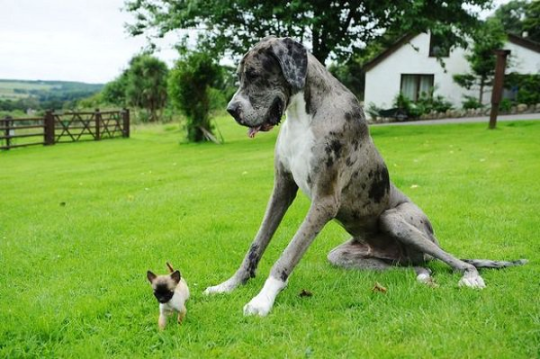
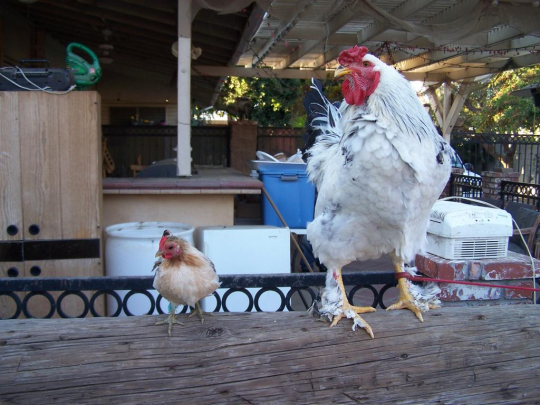
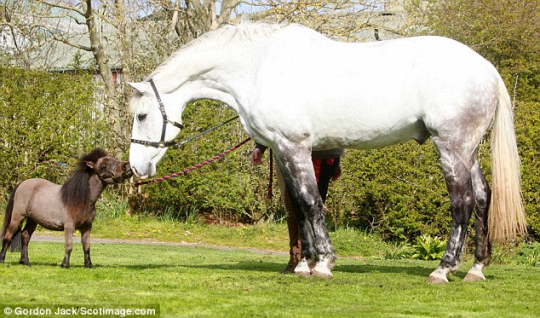
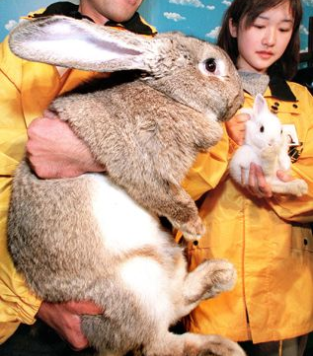
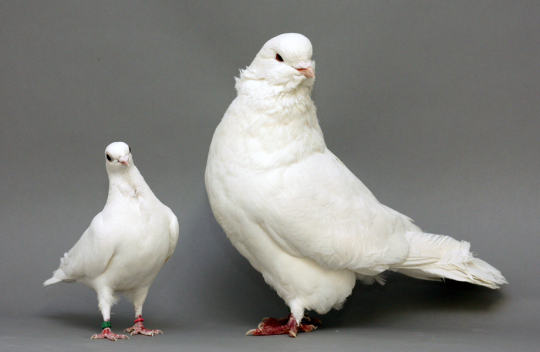
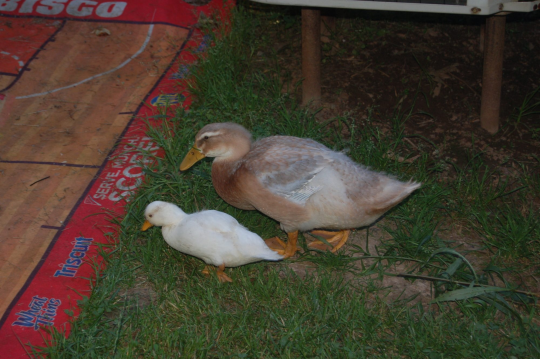
what other animals have we bred to have a huge variation in sizes like dogs?
why must we play god
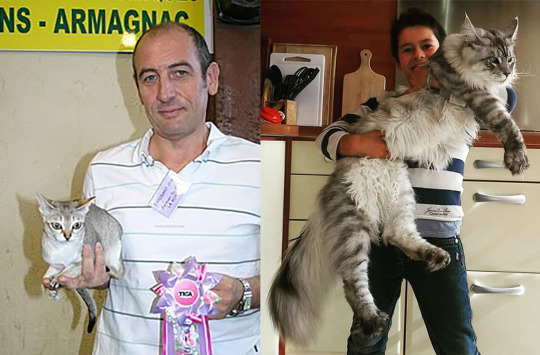
let’s not forget cats
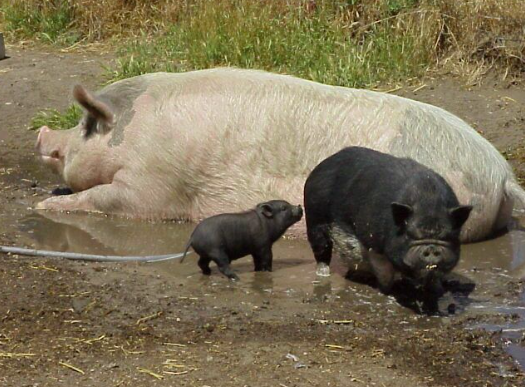
Pigs.
Fully grown healthy small breeds clock in between 70-150 lbs. Extreme situation pigs (AKA minimicro teacup etc, which btw teacup puppies are also extreme situations and are not healthy) show up sometimes at less than 50lbs. There are lab breeds (pigs are used in human medical research because of their similarity in organs and tissue composition) that are rumored to be bred “safely” down to 50 lbs but lab pig breeds are pretty tightly kept confidential.
gigantic commercial breeds can weigh 700+lbs when allowed to reach full size. extreme individuals have been recorded over 1500lbs.
here’s a farm pig and a potbelly, but that farm pig is just a regular farm pig. not even one of the huge ones.
And cattle too.
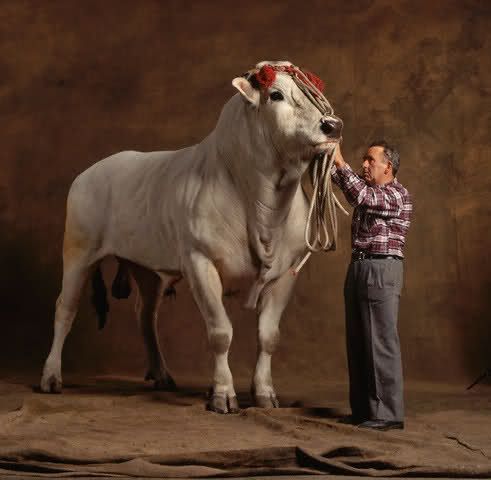
Chianina (an italian draught breed now raised for meat). this is the tallest and heaviest pure breed of cattle.
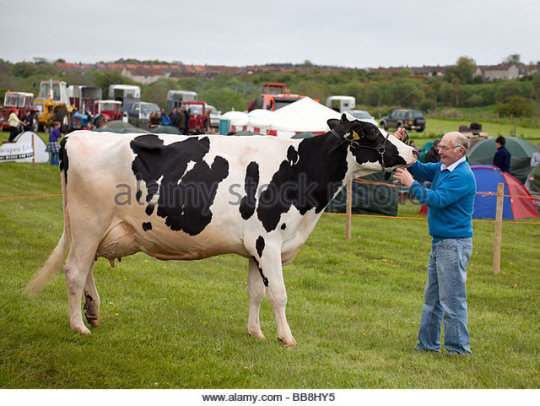
But holstein-friesians are ridiculously tall. They don’t weigh as much, but they’re suuuuuuuuper tall.
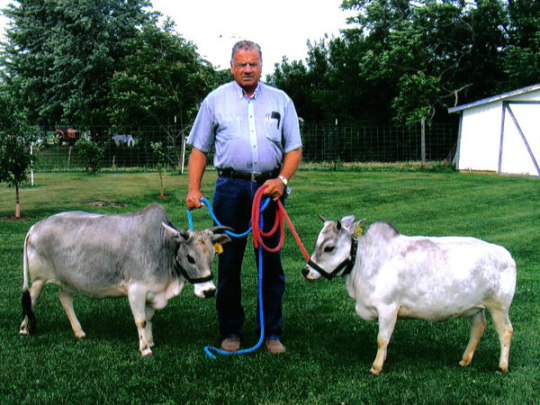
vs a wide variety of mini breeds.
mini zebus
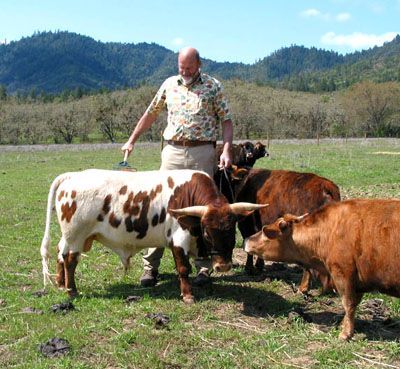
mini texas longhorns
there’s a ton of miniature breeds. A TON. Some are traditional/natural breeds, IE the entire breed is that small. Some are miniaturized versions of full sized breeds (like the longhorns above. There’s also mini holsteins, mini angus, mini herefords, you name it)




 daisychainnihilism